
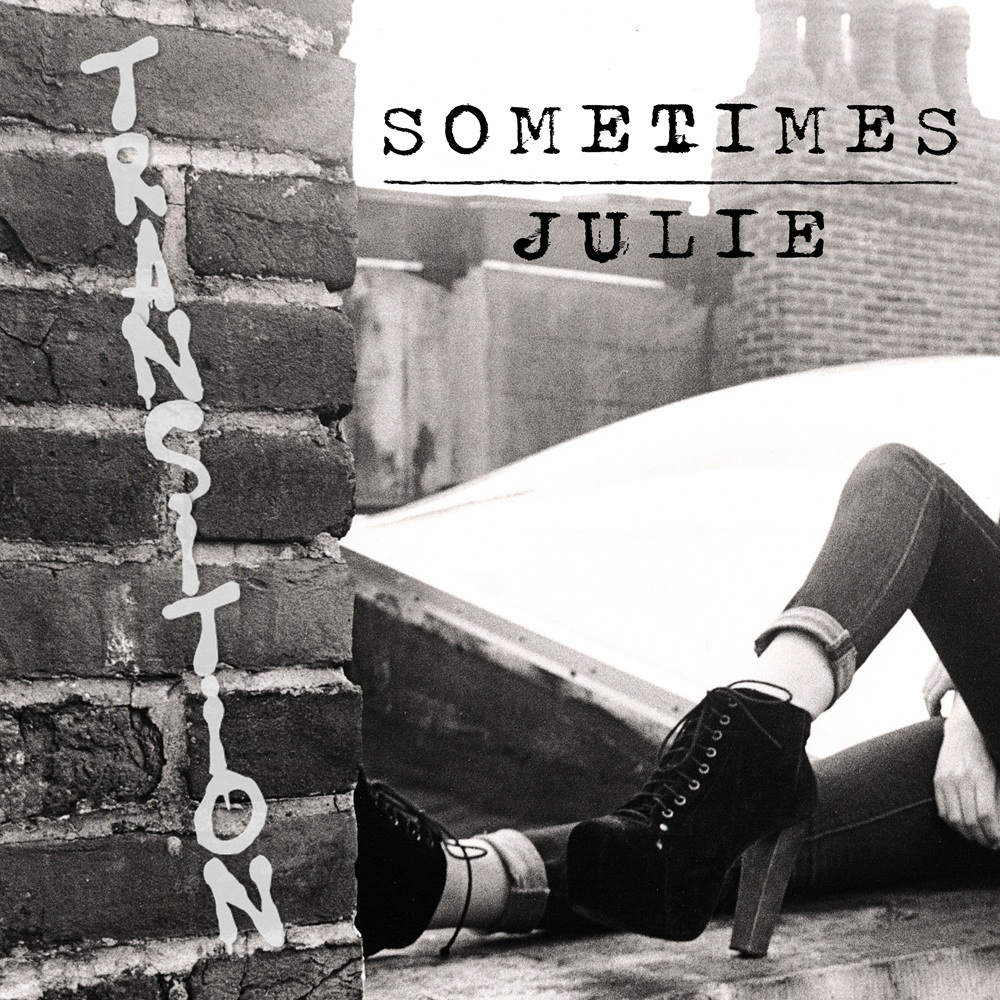
There is a noticeable shift in tone when listening to Transition. It feels quieter, more inward, and intentionally so. Rather than leaning on the classic and alternative rock energy that defined much of their earlier work, Sometimes Julie chooses reflection over force. The result is a six-song EP that feels deeply personal without ever losing the musical identity the duo has spent more than a decade shaping.

Built around the partnership of Monica Sorenson and Rick Walker, Sometimes Julie has always thrived on balance. Sorenson brings emotional clarity and storytelling to the forefront, while Walker provides the structure, texture, and musical grounding. On Transition, that balance feels more exposed than ever, and that vulnerability is exactly what makes the EP resonate.
What struck me first is how intimate these songs feel. The arrangements are more restrained, giving Sorenson’s lyrics space to breathe. Her writing here is some of her most revealing to date, touching on love, loss, and the ongoing struggle to live authentically. There is no sense of hiding behind metaphor or production. She leans directly into emotion, trusting the listener to meet her there.
Musically, Transition sits firmly in the indie singer-songwriter space, but it never abandons the duo’s roots. Elements of soulful rock, pop, and country still surface, woven subtly into the fabric of each track. Walker’s musicianship is felt rather than showcased. His role is less about flash and more about support, allowing the songs to unfold naturally. That restraint speaks to his confidence as a player and arranger.

Knowing Sometimes Julie’s history makes this EP feel like an earned evolution. Since emerging in 2014 with their award-winning debut Head First, followed by Bright Side of the Line, Breaking, Where Are You? and Seven Wishes, the duo has consistently refined their sound. Transition does not reject that past. It reframes it. This feels like the sound of artists who know themselves well enough to slow down.
The chemistry between Sorenson and Walker remains the project’s strongest asset. Sorenson paints vivid emotional pictures with her piano and voice, while Walker anchors those moments with precision and taste. He brings theory, rhythm, and technical skill. She brings heart, intuition, and narrative. Together, they create music that feels human rather than manufactured.
What I appreciate most about Transition is its honesty. There is no attempt to chase trends or inflate the moment. These songs exist to connect. They invite the listener into real experiences, messy emotions, and unresolved questions. That openness gives the EP a quiet power that lingers well after it ends.
In many ways, Transition lives up to its name. It captures Sometimes Julie in motion, stepping into a more reflective creative space while staying true to who they are. It is not a reinvention. It is a deepening. And it makes a strong case that Sometimes Julie’s most meaningful work may still be unfolding.
connect with Sometimes Julie on
 English