

Brother Dolly arrive quietly, but they do not arrive small. Their first release, Transmission Number 5, feels like something intercepted rather than announced. It carries the energy of a project that is deliberately elusive, yet deeply intentional. From the first moments, it is clear this is not a conventional debut single. It is an atmosphere, a concept, and a statement of identity all at once.
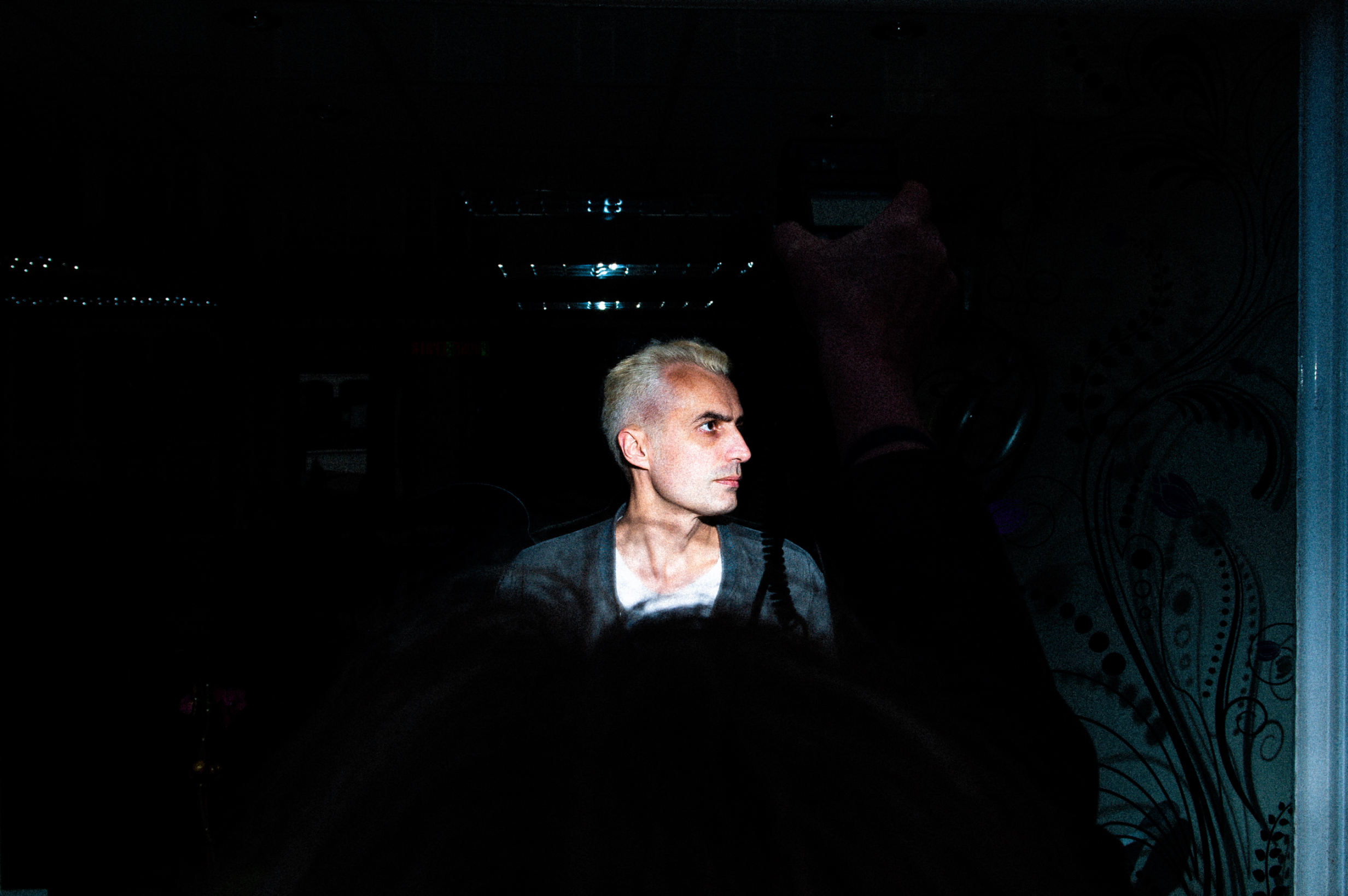
Brother Dolly operates in the space between folk tradition and electronic experimentation. The trio brings together singer-songwriter Dan Whitehouse, working between the UK and Japan, producer Jason Tarver in Barcelona, and sonic sculptor Tom Greenwood in Yorkshire. That geographic spread matters. You can hear distance and connection woven directly into the music.
What struck me most about Transmission Number 5 is its use of sound as narrative. Found sounds are not decorative here. Samples from the Tokyo subway, bicycle wheels discovered in a garage beside the studio, and other everyday mechanical noises are treated as instruments with emotional weight. These textures give the track a lived-in quality, grounding its electronic framework in something physical and human.
Conceptually, the track draws inspiration from the Cold War era, when white noise was used to disrupt radio transmissions. Brother Dolly flips that idea on its head. Instead of treating interference as obstruction, they make it the message. Static, glitches, and fractured signals become expressive tools, shaping a soundscape that feels tense, immersive, and quietly unsettling. It is electronic music with memory embedded in it.
Musically, Transmission Number 5 sits somewhere between folktronica and experimental electro, but those labels only go so far. There is melody here, but it often feels half-buried, like something trying to surface through layers of noise. The emotional pull comes not from big hooks, but from restraint. The track trusts mood and texture to carry the weight, and that confidence is refreshing.
There is also a sense of humanity running beneath the circuitry. Despite the glitches and mechanical sounds, the track never feels cold. Instead, it feels fragile. The phrase “a glitch in the heart and a ghost in the machine” fits perfectly. This is music that acknowledges technology as something emotional, imperfect, and deeply tied to human experience.
As a first release, Transmission Number 5 does not explain Brother Dolly. It introduces them by example. It suggests a project more interested in exploration than exposure, more concerned with atmosphere than accessibility. That makes it intriguing. It invites curiosity rather than demanding attention.
What I appreciate most is that Brother Dolly are clearly building a world, not just releasing a track. Transmission Number 5 feels like an entry point into an ongoing transmission, one shaped by history, geography, and experimentation. It is emotional without being sentimental, experimental without being distant, and unexpected in the best way.
For listeners drawn to music that blurs boundaries and rewards close listening, this is a compelling starting signal.
connect with Brother Dolly on
 English