
There’s something refreshing about artists who continue creating because they genuinely love the process rather than because they are trying to keep pace with trends. That spirit runs directly through Sean T MacLeod’s newest single, “Light Up the Sun,” a release arriving as both a standalone summer anthem and another chapter in an unusually ambitious creative period. With multiple albums already in motion and another project waiting in the wings, MacLeod appears to be operating in a mode driven entirely by instinct, imagination, and songwriting freedom.

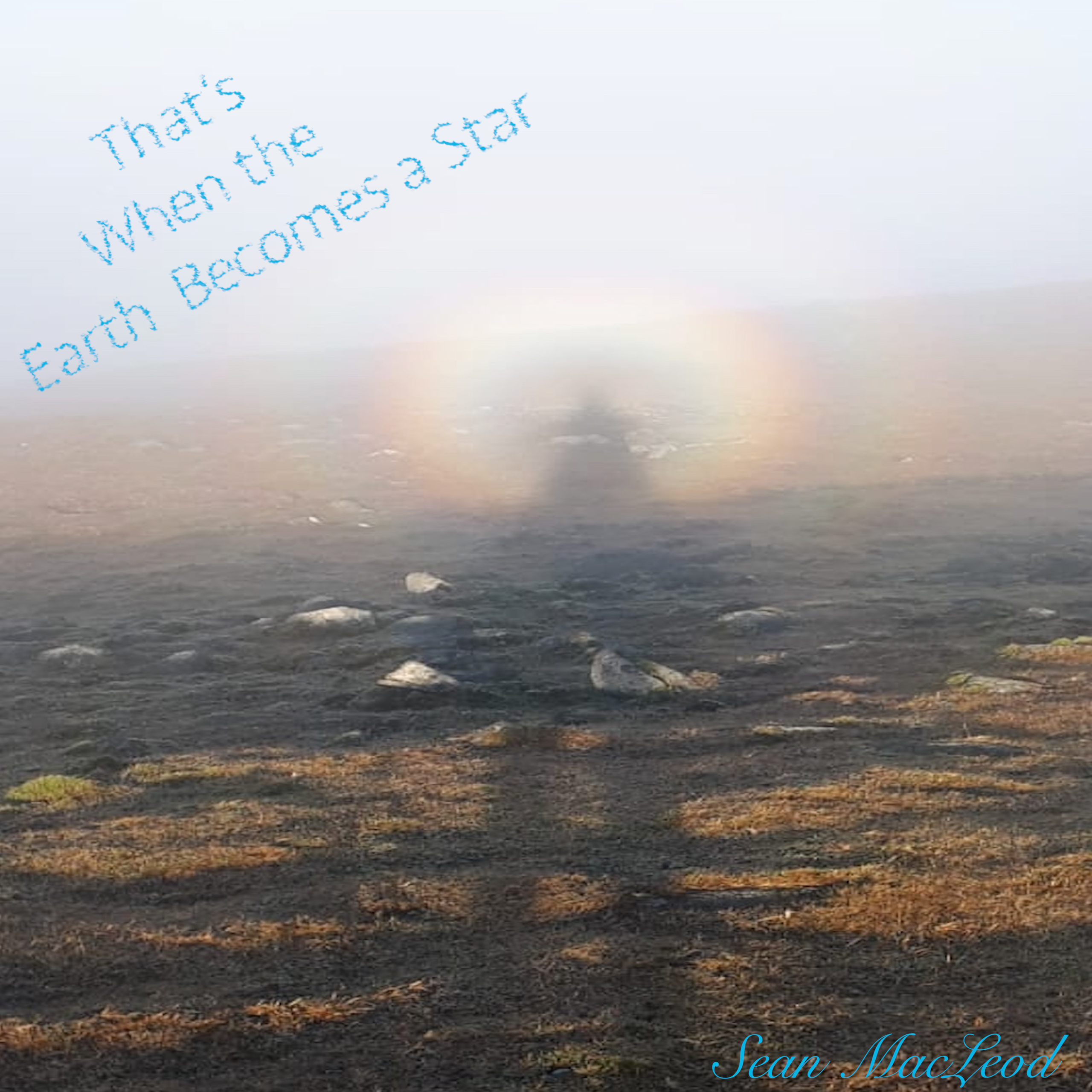
“Light Up the Sun” arrives alongside anticipation for his forthcoming album That’s When the Earth Becomes a Star, scheduled for release in May 2026. At the same time, listeners are already being told to expect an experimental follow-up project titled We Don’t See That We Don’t See, with yet another album, Magic, planned later in the year. That volume of output alone suggests an artist working from a place of momentum rather than hesitation.
Still, despite the scale of his current activity, Sean T MacLeod’s musical roots stretch back much further.
Before establishing himself as a solo artist, MacLeod was a founding member of Dublin-based band Cisco, a group that gained recognition both in Ireland and abroad. Recording with producer Paul Barrett, known for his connection to U2’s early years, Cisco built a reputation through their album No 1 and generated considerable critical attention. Following the band’s eventual split, MacLeod continued pursuing music independently, gradually developing a solo identity centered around melody, experimentation, and lyrical depth.
Those long-standing influences remain audible throughout his music. There are echoes of classic 1960s songwriting traditions throughout his work, particularly the melodic instincts associated with The Beatles, the layered harmonies of The Beach Boys, and the warmth of Motown. Yet Sean’s songwriting does not simply recreate those sounds. Instead, they become starting points for something broader. Folk elements, classical textures, and occasional avant-garde impulses give his music a more unpredictable quality.
That balance seems especially relevant to “Light Up the Sun.”
By description alone, the single positions itself as a classic pop track built around welcoming the arrival of summer. Yet MacLeod’s work rarely operates on surface mood alone. While the melodies often feel immediate and accessible, there is usually a more reflective or philosophical current moving underneath. His songwriting often places uplifting sounds beside deeper ideas, creating music that remains engaging beyond its first impression.
That contrast has become one of the defining characteristics of his catalog. Bright melodies coexist with introspection. Familiar structures are pushed gently toward something stranger. Catchiness exists alongside curiosity.
As a songwriter, MacLeod also seems deeply committed to melody as a central principle. In an era where production often dominates attention, his approach feels rooted in composition itself. Songs begin with strong foundations and allow arrangements to expand around them rather than relying on excess to create impact.
The title That’s When the Earth Becomes a Star also hints at the larger thematic world surrounding these releases. Even without hearing every piece yet, there is already a sense of cosmic imagery, spirituality, and larger existential questions running through the project. Those ideas fit naturally with MacLeod’s history of writing lyrics that look beyond ordinary observation and toward something more reflective.
“Light Up the Sun” therefore feels like more than another standalone single. It functions as an introduction to a larger creative period from an artist clearly following his own instincts.
Most importantly, it feels guided by enthusiasm.
Sean T MacLeod is not creating music from a place of nostalgia alone. He is continuing to build, experiment, and expand his world.
And that sense of ongoing discovery may be the most compelling thing about the journey itself.
Connect with SEAN MACLEOD on
 English