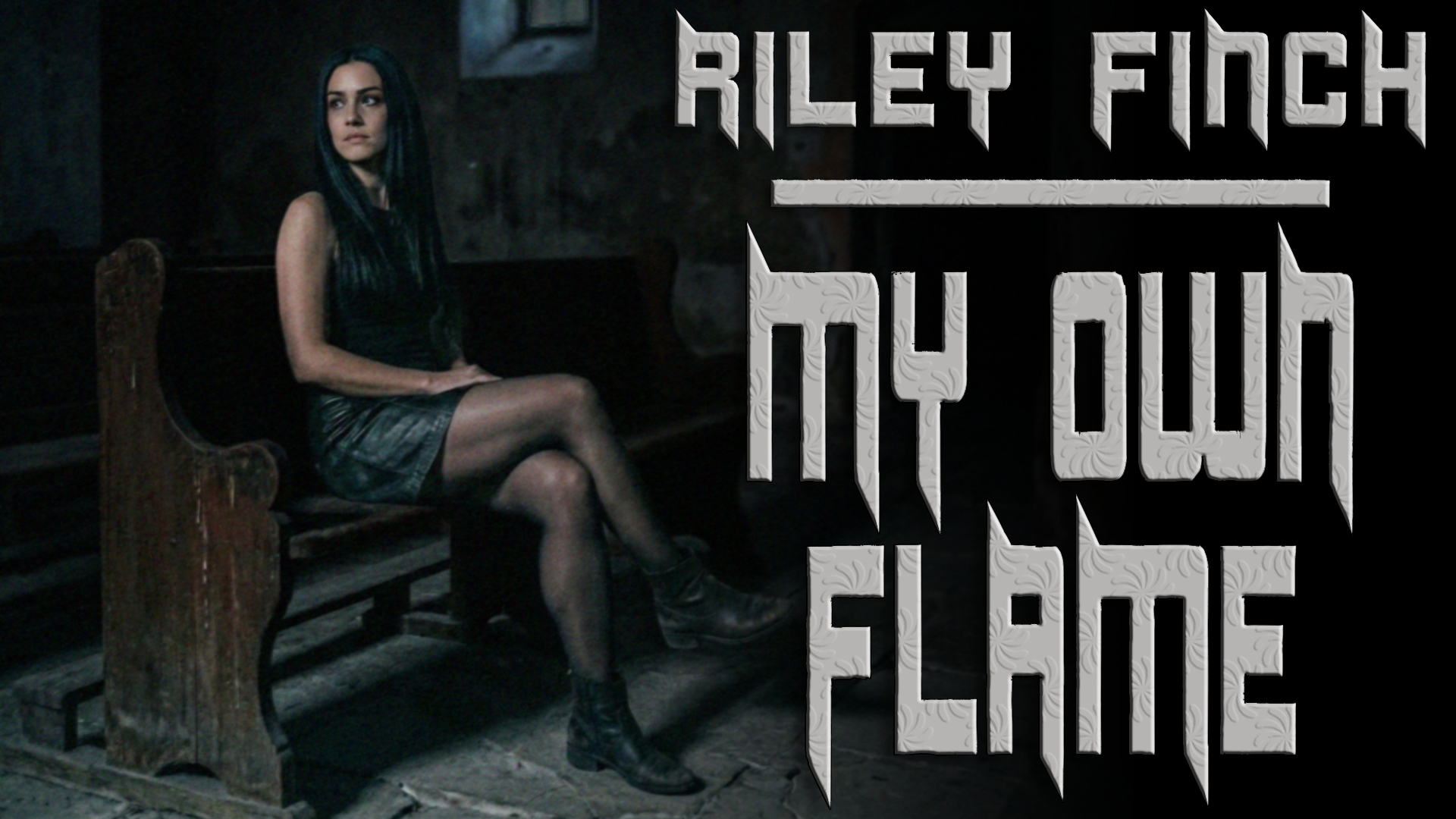
What gives “My Own Flame” its strength is that it never tries to sound invincible. Instead, Riley Finch builds the song around something much more believable: the slow, difficult process of reclaiming yourself after years of shrinking to fit other people’s expectations.

The emotional core of the track feels deeply personal, but also widely recognizable. Keeping quiet to avoid conflict. Pretending certain wounds don’t matter. Learning to become “easier” for everyone else to handle. The song captures that exhaustion without turning it into self-pity.
What I like most is the distinction Riley makes between revenge and survival. “My Own Flame” is not framed as a triumphant declaration against other people. It’s about rediscovering your own voice after losing touch with it for a long time. That difference matters because it gives the song emotional maturity rather than simple anger.
Musically, the track seems designed to mirror that emotional progression. There’s vulnerability throughout it, but underneath the bruised edges sits a quiet resilience that gradually becomes harder to ignore. Not polished empowerment, but earned strength. The kind built slowly through heartbreak, disappointment, isolation, and endurance.
You can also hear the influence of artists like Alanis Morissette in the writing philosophy. Riley clearly gravitates toward emotional honesty over perfection, allowing uncomfortable feelings to remain visible rather than smoothing them away. That connection also explains why covering “You Oughta Know” felt natural for her, not as imitation, but as recognition of an artist who helped shape her understanding of emotional songwriting.
The background behind the music adds another layer to it. Returning to New Jersey after a failed relationship, working full time while recording piece by piece after hours in her stepfather’s studio, and slowly finding the confidence to put deeply personal material into the world, all of that informs the atmosphere surrounding the songs. There’s a sense of someone creating not because they’re chasing image or industry attention, but because they finally reached a point where staying silent felt worse.
And that honesty is what makes “My Own Flame” connect. It’s vulnerable without collapsing, strong without pretending to have all the answers. A song about choosing yourself after years of trying to belong everywhere else. And sometimes that’s the hardest thing a person can do.
Connect with RILEY FINCH on
 English