
Innovation in music is often associated with new technology, but sometimes the most original ideas come from looking thousands of years into the past. That is precisely the approach taken by Irish songwriter Sean T. MacLeod on his new single, “I’ve Seen You Around,” the first release from his forthcoming experimental album We Don’t See That We Don’t See, due in August 2026. While the song immediately charms with its warm indie-pop melodies and gentle atmosphere, its most fascinating qualities lie beneath the surface. By combining the ancient sound of the lyre with modern digital production and composing in the Pythagorean tuning system, MacLeod creates a listening experience that feels both timeless and strikingly contemporary.
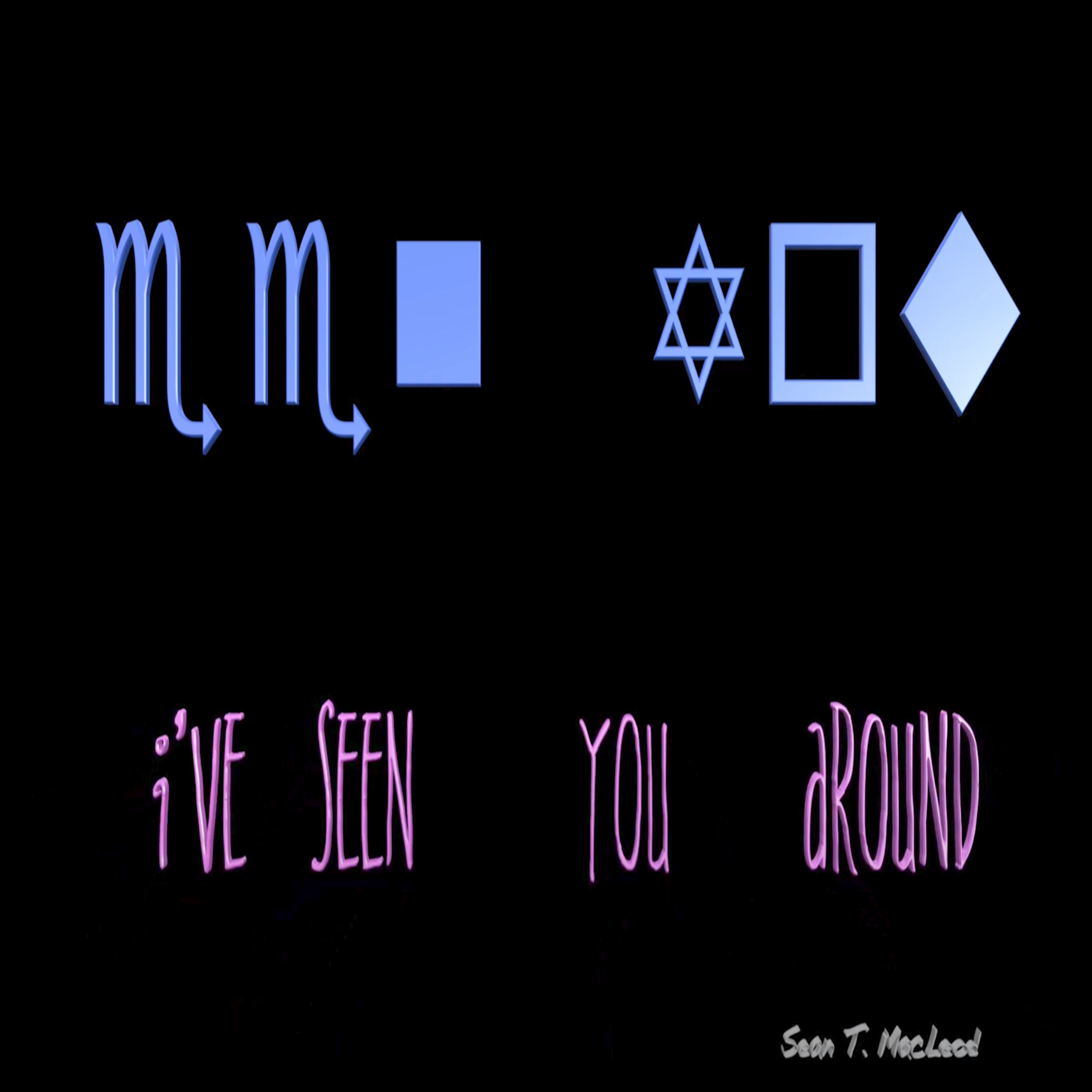
“I’ve Seen You Around” serves as a perfect introduction to an album built around experimentation without sacrificing musical accessibility. Rather than pursuing complexity for its own sake, MacLeod uses unusual musical techniques to enhance emotion, allowing the song’s peaceful atmosphere to emerge naturally. The result is an inviting piece of indie pop that feels instantly familiar while subtly challenging the listener’s expectations. Its melodies remain memorable and approachable, yet there is an unmistakable sense that something different is happening beneath the surface.
One of the song’s defining characteristics is its use of the Pythagorean tuning system, one of the oldest known methods of tuning musical instruments. Long before modern equal temperament became the international standard, musicians relied on mathematical relationships between notes to create intervals of exceptional purity. By returning to this centuries-old tuning system, MacLeod gives the recording a remarkably serene tonal quality. Chords resonate with unusual clarity, harmonies feel naturally balanced, and every note seems to breathe with an almost meditative calm. Even listeners unfamiliar with musical theory are likely to notice that the song carries a distinctive warmth and openness rarely heard in contemporary pop production.
Adding another unique dimension is the prominent use of the lyre, one of humanity’s oldest stringed instruments. Rather than treating it as a historical curiosity, MacLeod integrates its delicate, expressive sound seamlessly into a modern electronic arrangement. The contrast between the lyre’s ancient timbre and contemporary production techniques creates a fascinating dialogue between past and present. Traditional instrumentation sits comfortably alongside computer-generated textures, proving that innovation does not always require abandoning history. Instead, “I’ve Seen You Around” demonstrates how centuries-old musical ideas can inspire entirely new sonic landscapes.
Lyrically, the song continues MacLeod’s long-standing fascination with philosophical and spiritual themes. Although presented through accessible pop songwriting, his work frequently explores questions about perception, consciousness, and human experience. The title itself suggests a quiet familiarity, hinting at connections that may exist beneath everyday encounters or perhaps even beyond ordinary understanding. Rather than providing explicit answers, MacLeod invites listeners to interpret the lyrics through their own experiences, allowing the emotional and philosophical dimensions of the song to unfold gradually with repeated listens.
The single also offers an intriguing preview of We Don’t See That We Don’t See, an album whose title alone reflects MacLeod’s curiosity about perception and awareness. If “I’ve Seen You Around” is any indication, listeners can expect a project that balances experimental musical ideas with strong melodic songwriting rather than choosing one over the other. The album promises to explore unconventional production techniques while remaining rooted in emotional communication, a combination that has become one of MacLeod’s defining artistic strengths.
Sean T. MacLeod is no stranger to thoughtful songwriting or musical experimentation. Before embarking on his solo career, he was a founding member of the Dublin band Cisco, whose critically acclaimed album No. 1 attracted attention both within Ireland and internationally. The band also worked with Paul Barrett, an early producer associated with U2, providing MacLeod with valuable experience during his formative years as a songwriter and recording artist. Following Cisco’s dissolution, he devoted himself to solo work, steadily building an impressive catalogue of original material that now spans multiple albums and numerous singles.
His songwriting reflects an unusually broad range of influences. The melodic craftsmanship of The Beatles, The Beach Boys, and Motown remains evident throughout his music, while elements of folk, classical composition, and even avant-garde experimentation continually expand his sonic palette. Rather than treating these influences as separate styles, MacLeod weaves them together into a distinctive musical language where memorable melodies coexist with adventurous harmonic ideas and philosophical lyricism.
The release of “I’ve Seen You Around” follows closely behind his sixth studio album, That’s When the Earth Becomes a Star, released in May 2026. While that project continued his exploration of melodic songwriting and reflective themes, the forthcoming We Don’t See That We Don’t See promises to push even further into experimental territory. By using ancient tuning systems, unconventional instrumentation, and innovative production techniques, MacLeod continues demonstrating that artistic growth often comes from embracing curiosity rather than repetition.
With “I’ve Seen You Around,” Sean T. MacLeod offers far more than an intriguing musical experiment. He creates a beautifully crafted song that bridges centuries of musical tradition while remaining emotionally immediate and deeply accessible. Gentle, thought-provoking, and sonically distinctive, the single stands as a compelling invitation into the remarkable world of his forthcoming album, proving that sometimes the future of music can be discovered by listening carefully to its oldest voices.
Connect with Sean T. MacLeod on
 English