
What draws me to Timefield isn’t just how it sounds, but where it comes from. The track feels less like a traditional Deep House release and more like a response to a place. Inspired by the art installation Timefield in Düsseldorf, it approaches electronic music as something spatial and atmospheric, not just rhythmic.
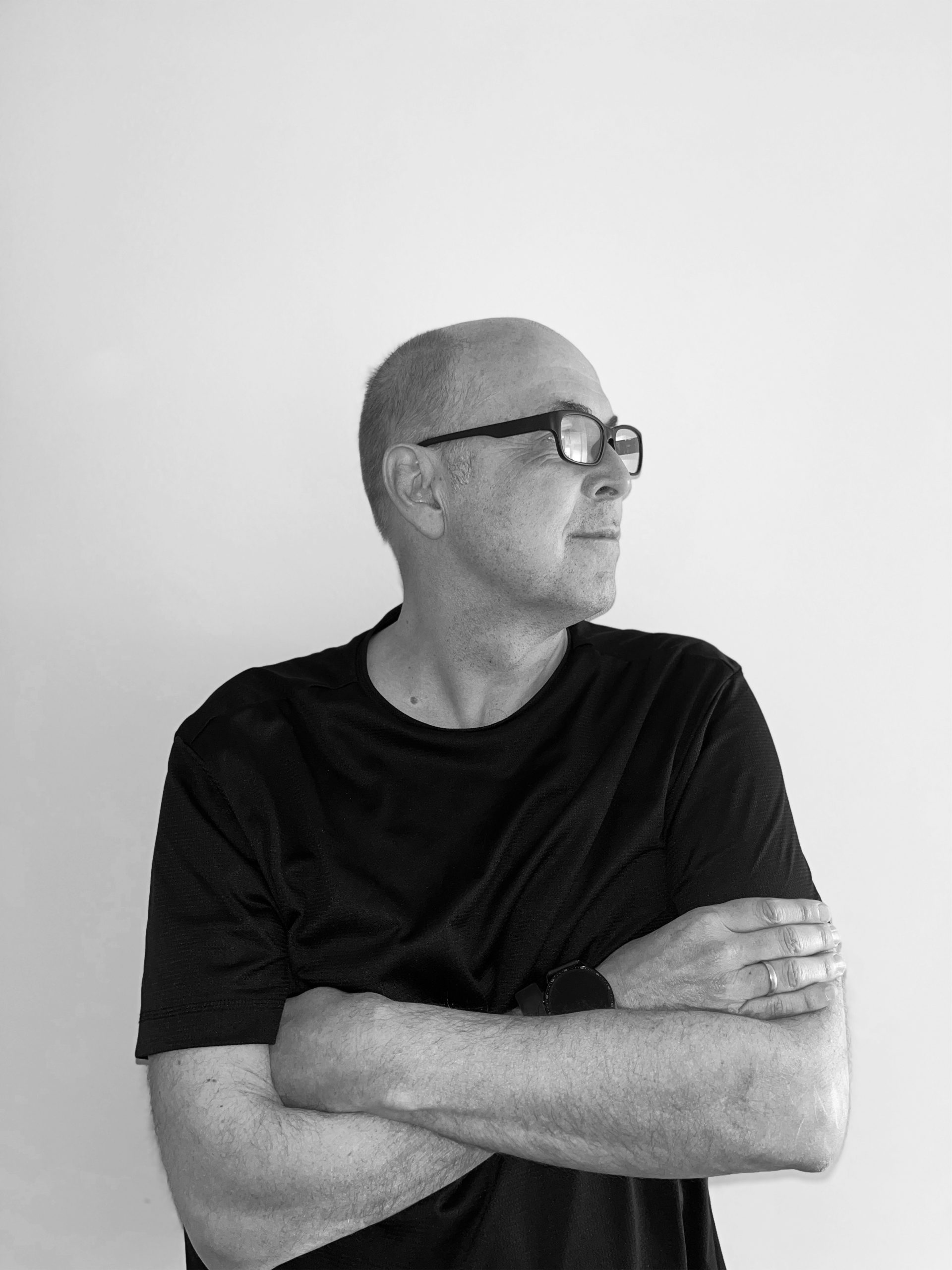
I hear Timefield as a study in restraint. It’s minimal, emotional Deep House, built around mood rather than momentum. The groove is steady and hypnotic, but it never rushes to prove itself. Instead, it unfolds slowly, letting repetition and subtle shifts do the work. Time becomes circular here, not linear. Elements return, slightly altered, mirroring the way you experience space when moving through an installation rather than a club.
Vocals are used sparingly, almost as texture, which keeps the focus on flow and atmosphere. That choice makes sense. This track isn’t trying to deliver a peak moment or a drop. It’s about immersion. You don’t listen to it so much as step inside it. Played late at night or on a good system, the low-end carries weight without ever becoming aggressive.
The producer behind the project, DJ Thommek, has been working with Ableton Live for several years, and that experience shows in the control of space and sound design. Everything feels intentional but not overworked. There’s no gloss for the sake of it, no obvious nods to trends. The track is confident enough to let silence, tension, and repetition breathe.
What adds another layer to Timefield is the way sound and visuals are treated as part of the same creative process. Thommek also designs his own cover artwork using pastel crayons, and that handmade, tactile sensibility carries over into the music. Even though the track is electronic, it doesn’t feel cold or mechanical. There’s a quiet emotional undercurrent running through it, something reflective rather than functional.
I respect that this project knows exactly what it is and what it isn’t. It’s not chasing mainstream attention, and it doesn’t feel designed for fast consumption. Timefield works best when you give it time, when you let it sit in the background or wash over a room. It rewards patience.
For listeners interested in electronic music that connects sound to place and idea, Timefield stands out. It’s a reminder that club-rooted genres like Deep House can still be introspective, conceptual, and deeply personal without losing their physical presence.
connect with DJ THOMMEK on