
There’s a sense of purpose running through Réminiscence that makes it feel bigger than just an album. With this release, Tita Nzebi isn’t simply making music, she’s preserving something, questioning something, and passing something on at the same time.
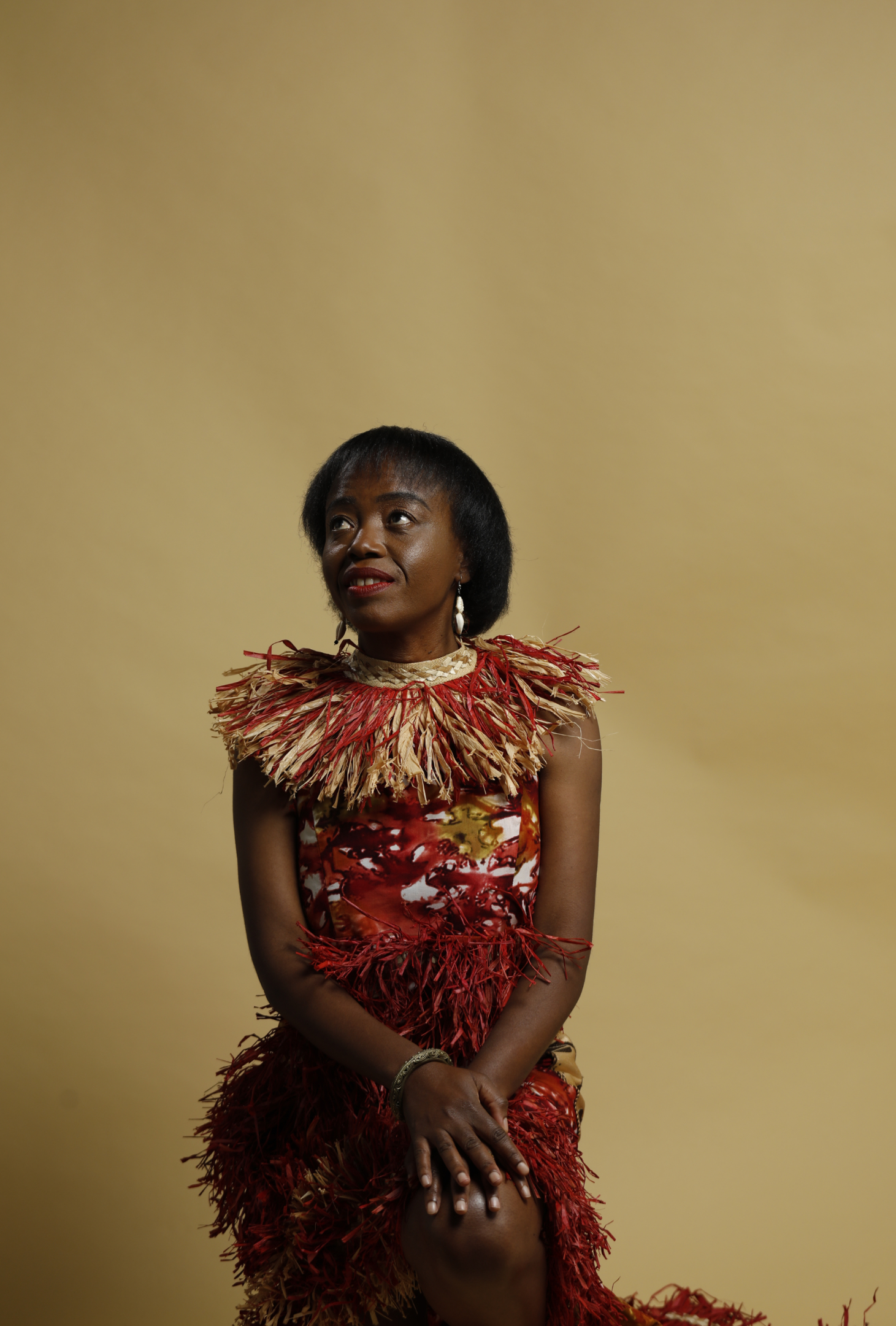
What stands out to me immediately is how rooted the project feels. Even with its international production, recorded across Paris and refined at high-level studios, the heart of the album stays firmly connected to her Gabonese identity. That balance between global polish and cultural grounding gives the music a kind of weight that you don’t always hear. It feels intentional rather than decorative.
The sound itself is layered and detailed. There’s a richness in the instrumentation, from traditional elements to more contemporary arrangements, and it never feels crowded. Instead, everything seems to serve the themes she’s exploring. You can hear that especially in how the album moves between moments of intimacy and something more expansive, almost spiritual in tone.
Lyrically, this is where the album really holds its power. The themes aren’t light, but they’re handled with care. There’s a focus on memory, responsibility, and the idea of what we pass on to others, whether that’s culture, values, or pain. Tracks built around ideas like maternal wisdom or collective memory don’t feel abstract. They feel lived-in, like they’re coming from real experience rather than observation.
For me, one of the most interesting aspects is how the album approaches connection. There’s a recurring idea that even when people clash or misunderstand each other, there are deeper ties that don’t break. That perspective gives the record a quiet sense of hope, but it’s not naive. It acknowledges the damage while still believing in something underneath it.
Vocally, Nzebi carries the entire project with a kind of calm authority. There’s no need to overreach or dramatize anything. The emotion comes through in a controlled, deliberate way, which actually makes it feel more powerful. It draws you in rather than pushing outward.
You can also feel the experience behind this record. This isn’t someone experimenting for the first time or trying to find a direction. It feels like the work of an artist who already knows what she wants to say and how she wants to say it.
For me, Réminiscence works because it doesn’t separate the personal from the cultural. It treats them as the same thing.
And in doing that, it becomes something that feels both deeply specific and widely relatable.