
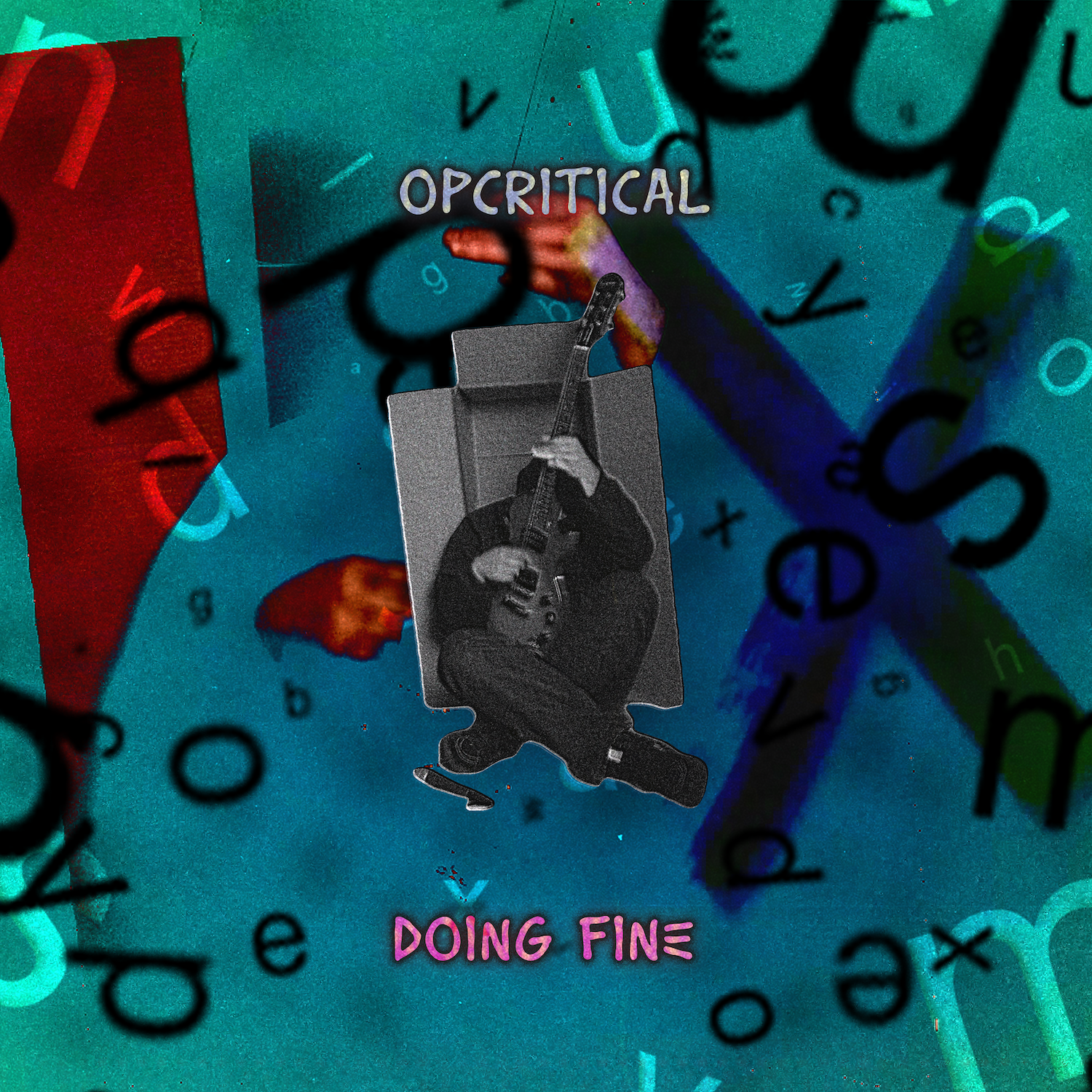
Some songs protest by shouting. Others do it with satire, hooks, and attitude. With “Doing Fine,” OpCritical leans into the second approach, delivering a track that pushes back against conformity while wrapping its message in a grunge and punk spirit that feels intentionally rebellious. The release combines the energy of those eras specifically because they represented resistance to fitting into prescribed molds.
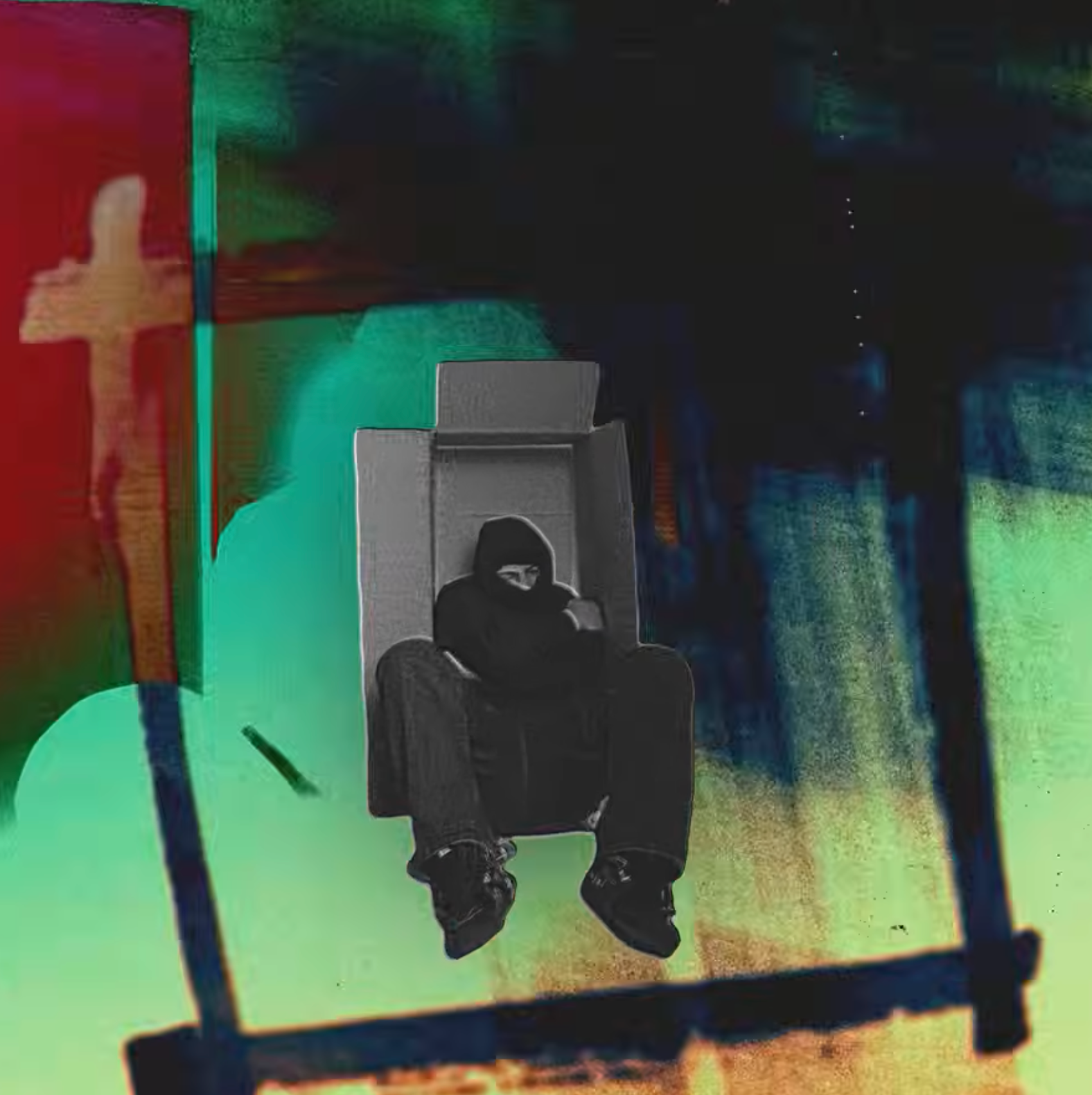
The song arrives with a simple central idea: refusing to conform does not make someone an outcast. It makes them themselves. OpCritical positions “Doing Fine” as a rejection of institutional pressure, whether from politics, rigid environments, social expectations, or systems that reward sameness over individuality.
What makes the track work is that it does not come across like a lecture. There is an irreverence to it. The message lands through personality rather than slogans. At its center is a refrain that feels designed as a rallying cry:
“I won’t fit into your box, leave me alone.”
It is direct, uncomplicated, and effective because it taps into something broader than politics. Almost everyone understands the feeling of being pushed toward a version of themselves that doesn’t quite fit.
The accompanying video reinforces that idea visually, placing musicians inside surreal settings where they literally refuse to stay confined inside boxes or controlled realities. The imagery is intentionally exaggerated, but that fits the song’s personality. Punk has always understood that sometimes making a point means turning the volume up.
OpCritical itself is an unusual project because the individuals behind it deliberately step into the background. Their stated view is that the message matters more than personalities. That approach gives the music a larger sense of purpose. The band describes itself as a response to political and cultural dangers it sees unfolding, intending to continue releasing music as long as it feels necessary.
Whether listeners agree with every angle of the message or not, “Doing Fine” succeeds at creating discussion. It carries the DNA of grunge and punk without simply imitating either one, using them as vehicles for a broader conversation about individuality, pressure, and self-definition. At a time when everyone is being sorted into categories, algorithms, identities, and teams, that idea feels timely.
Sometimes refusing the box is the point.
Connect with OPCRITICAL on
 English