
There is something immediately appealing about music that knows exactly what era it wants to evoke. On Afterlight, Colorado-based synth-pop artist LVSA takes the sounds, atmosphere, and emotional character of the 1980s and gives them a modern setting. The five-track EP is nostalgic without feeling stuck in the past, combining synth-pop, synthwave, electronic pop, and indie-pop influences into a release that feels personal rather than manufactured.
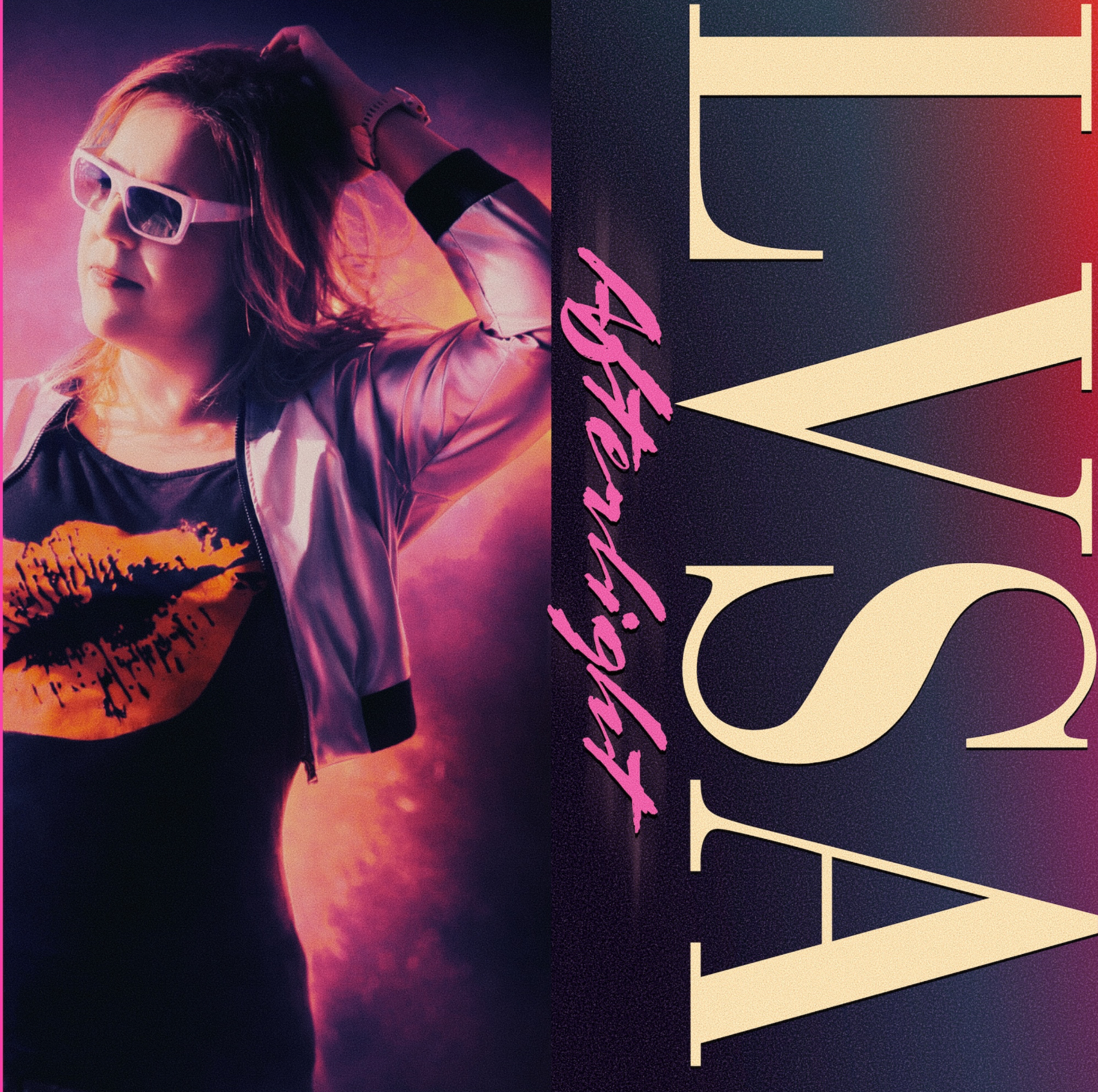
What stands out to me most is the emotional intention behind the project. Afterlight is LVSA’s first solo record, created after years of working professionally in bands and as a drummer. Instead of making music based on what might appeal to the largest audience, LVSA approached the project by creating the kind of music he genuinely wanted to hear. That decision gives the EP a strong sense of identity.
The title track, “Afterlight,” is particularly important because it was the first song LVSA created for the record and the track that brought him back into his musical world. Its nostalgic synth textures and vocal-led atmosphere establish much of the EP’s character, while saxophone from Jesse Molloy, known for his work with Panic! At the Disco and The Midnight, adds another dimension to the production.
The primary single, “In Another Life,” is perhaps the clearest expression of what LVSA is trying to accomplish. Created in collaboration with The Bad Dreamers, the track combines modern synth-pop production with the emotional language of classic 1980s pop. Its story of heartbreak and the idea of imagining another version of a relationship gives the nostalgia a genuine emotional purpose rather than making it feel purely aesthetic.
The rest of the EP expands that world through tracks including Getaway, Hold The Lane, and Acropolis, Pt II. Each was written and produced by LVSA, reinforcing the project’s deeply personal nature. The recording process also reflects his hybrid approach. He worked with both virtual and hardware synthesizers, while some live drum performances were later reprogrammed as electronic drums. I find that particularly interesting because it connects LVSA’s history as a drummer with his long-standing interest in programming and synthesis.
The production has also benefited from experienced collaborators. All five tracks were mixed and mastered by Sefi Carmel, whose credits include work associated with artists such as Phil Collins, David Bowie, and Bruno Mars. The project was primarily recorded in LVSA’s own production studio, Breathe Productions, in Colorado, with vocals recorded in Los Angeles.
There is a clear cinematic quality throughout Afterlight. LVSA grew up surrounded by the films and music of the 1980s and 1990s, and that influence comes through in the synth sounds and atmosphere. The recording sessions themselves were accompanied by 1980s movies, helping create the nostalgic environment that shaped the production.
Ultimately, Afterlight feels like more than an exercise in retro sound. LVSA takes the music he grew up loving and filters it through his own experiences as a drummer, producer, songwriter, and musician. The result is a project built around nostalgia, movement, and emotion, but with enough modern production to stand firmly in the present. For me, that is what makes Afterlight work. It doesn’t simply look backward. It takes something from the past and gives it another life.
 English