
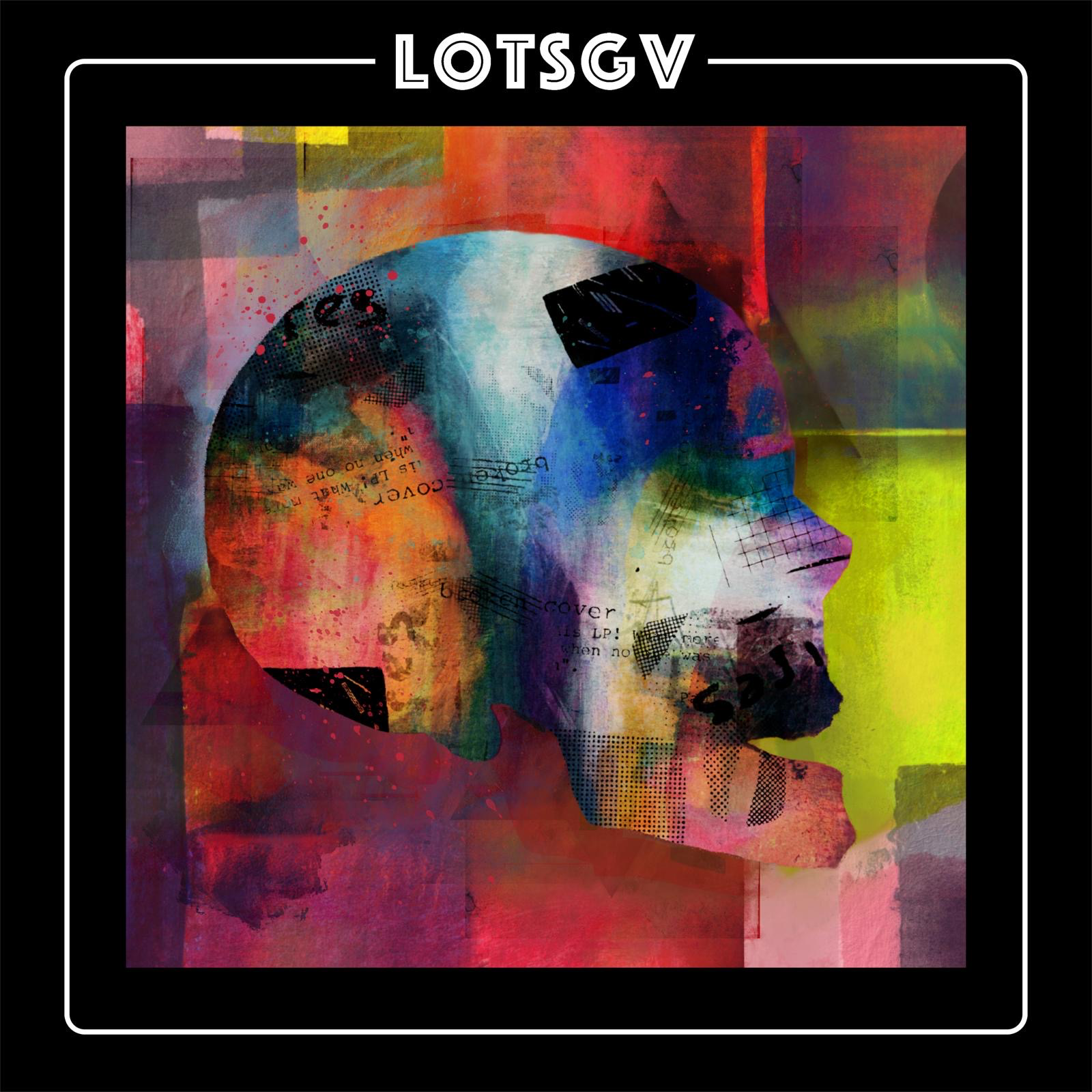
There is something wonderfully intriguing about The Pumphouse of Broken Dreams. Even before hearing it, the title suggests a place where nostalgia, imagination, and emotional wreckage might exist side by side. For Hertfordshire-based dream pop band Legends of the Seven Golden Vampires, this follow-up to Psychedelic Soul & Trash Vol.3 appears to be a more focused and confident continuation of their distinctive musical world.
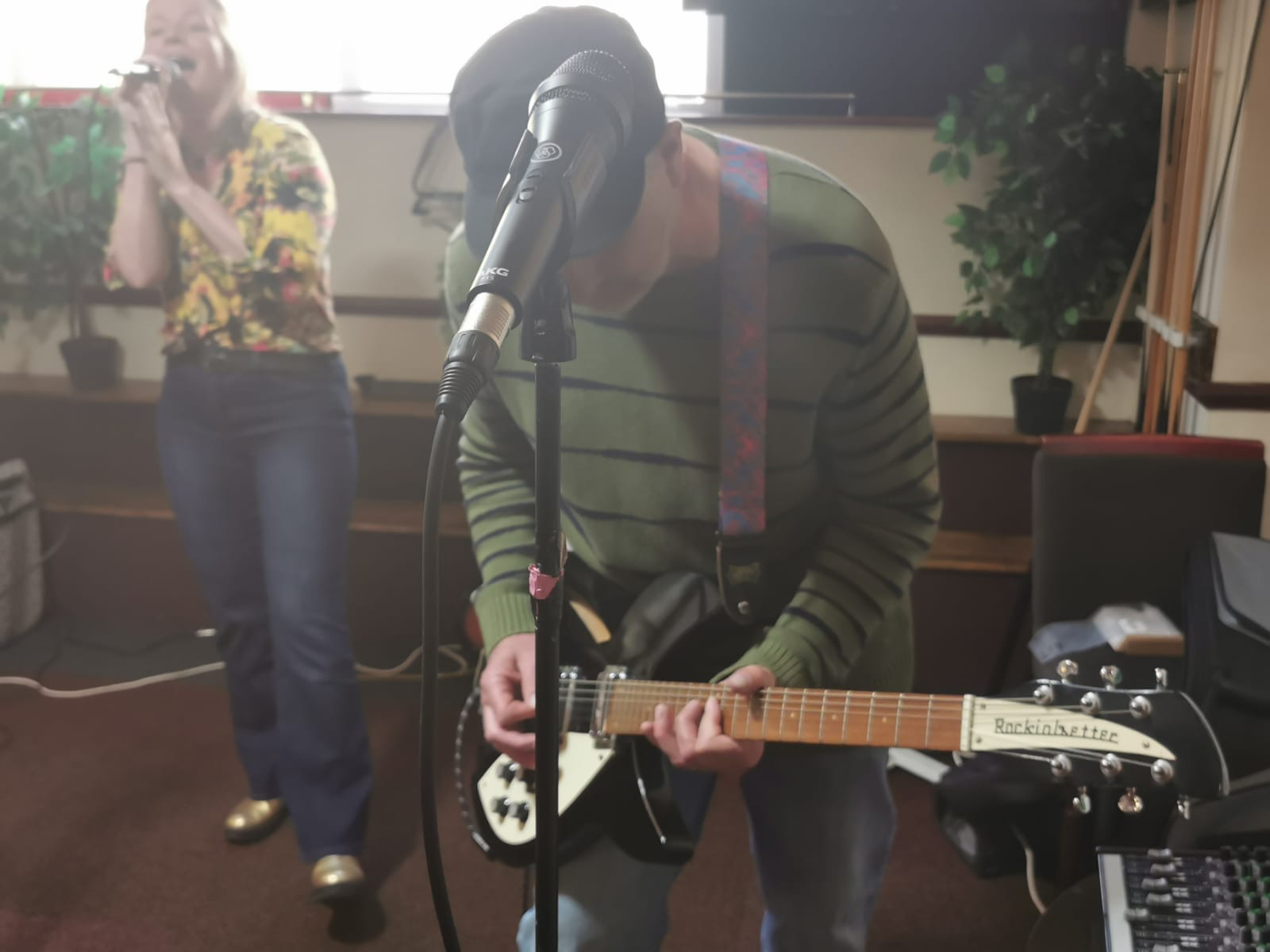
Their debut was praised for its fearless combination of psychedelic rock, funk, trip-hop, and electronic sounds. That adventurousness was part of its appeal, although the constant movement between genres could occasionally feel disjointed. This time, the band seems to have found a stronger centre, with Dutch vocalist Ilse Van Der Linden bringing a more melodic presence to the psychedelic pop material.
That change is particularly exciting because vocal character can make a huge difference to music this atmospheric. Van Der Linden’s contribution appears to give the songs a clearer emotional thread, allowing the band’s more unusual textures and leftfield ideas to feel connected rather than scattered. The result promises to be less about showing how many styles the group can explore and more about shaping those influences into a coherent experience.
The album’s influences are certainly broad. Radiohead, Portishead, Orbital, and even Cindy Lauper are cited as reference points, suggesting a record that could move between melancholic alternative pop, electronic detail, hypnotic rhythm, and memorable melodic writing. That combination feels perfectly suited to a band whose music has already been described as nostalgic yet contemporary.
What stands out most is the sense of evolution. The Pumphouse of Broken Dreams has reportedly been two years in the making, and that time seems to have been used to refine the band’s identity. Rather than abandoning the experimentation that made their debut interesting, LOTSGV appear to be giving those ideas a more deliberate shape.
The singles “Come Home,” “Lost & Burnt,” “To Think, To Heal,” and “BLEND” offer a glimpse into that direction. Even their titles suggest a mixture of emotional reflection, fractured experiences, and rhythmic energy. It is an album that seems likely to appeal to listeners who enjoy music that is both catchy and slightly strange—songs with hooks that stay in the mind while the production continues to reveal new details.
The band’s growing audience also gives this release meaningful momentum. Their debut accumulated more than 150,000 digital streams, 7.4 million TikTok plays, and airplay from stations including BBC 6 Music, Radio X, and Absolute Radio. Those figures suggest that their unusual blend of sounds has already found listeners beyond the usual underground circles.
With its stronger stylistic focus, melodic vocal presence, and ambitious range of influences, The Pumphouse of Broken Dreams could be the record that turns Legends of the Seven Golden Vampires’ eccentricity into something even more compelling. It promises a dream pop album with atmosphere, personality, and enough unpredictability to keep things interesting.
connect with Legends of the Seven Golden Vampires on
 English